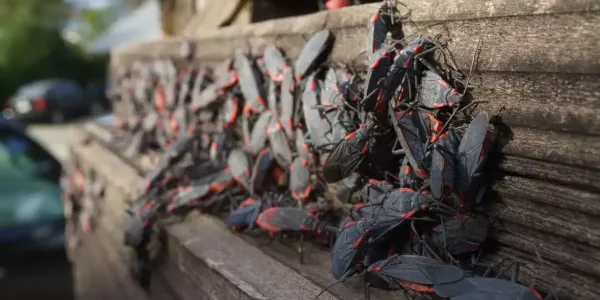
Boxelder bugs are common nuisance pests that often gather on sunny exterior walls in the fall before slipping indoors for winter. These black bugs with orange stripes are not usually harmful, but they can become frustrating when they show up in large numbers.
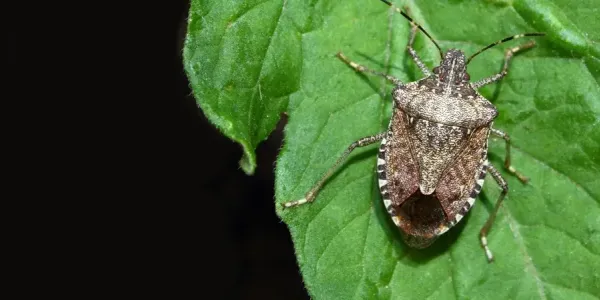
Fall pest activity in Idaho often increases as temperatures drop and pests look for shelter before winter. Homeowners may notice more rodents, spiders, boxelder bugs, stink bugs, wasps, ants, and occasional invaders around the home during this season.
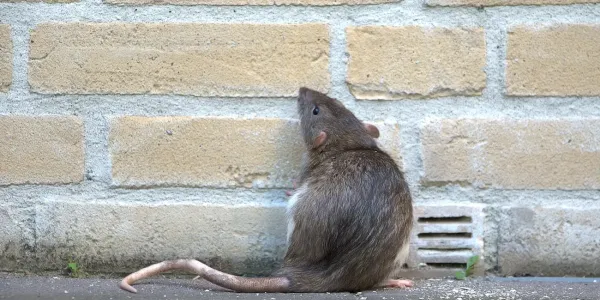
Rodents often enter homes while searching for food, warmth, water, and shelter. Preventive steps like sealing entry points, reducing food access, and keeping storage areas clean can help lower the risk of mice and rats moving indoors.
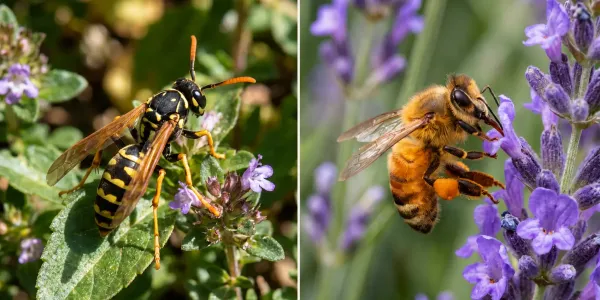
Bees and wasps can look similar, but their body shape, behavior, nesting habits, and stinging patterns are different. Knowing how to tell them apart helps homeowners respond safely and avoid disturbing the wrong insect.
How Iowa’s Extreme Weather Impacts Pest Activity—and What You Can Do About It
In Iowa, extreme weather isn’t the exception—it’s the norm. From torrential downpours to scorching summers, our ever-changing climate has a direct impact on the pests that invade our homes and businesses.
Termites in Des Moines: What Every Homeowner Needs to Know
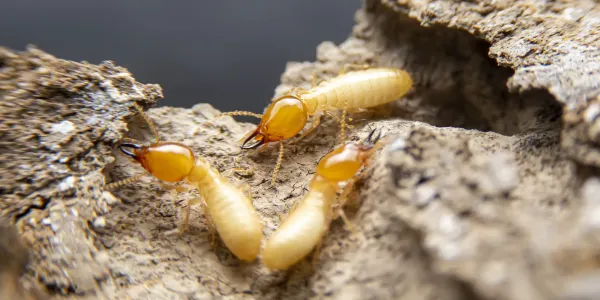
Termites are a serious concern for Des Moines homeowners because they can damage wood, flooring, structural supports, and other cellulose-based materials before obvious signs appear. Understanding termite activity, warning signs, and prevention can help homeowners catch problems earlier.
Brown Recluse Spiders in Des Moines: Should You Be Concerned?
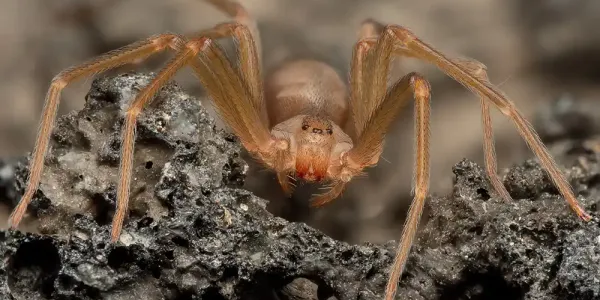
At Janssen Pest Solutions, we get asked about brown recluse spiders all the time—especially as the weather changes and pests start making their way indoors.
10 Common Fall Pests in Iowa and How to Protect Your Home
As the temperatures dip and leaves start to change color, fall in Iowa brings more than just beautiful scenery—it also signals the start of peak pest season.
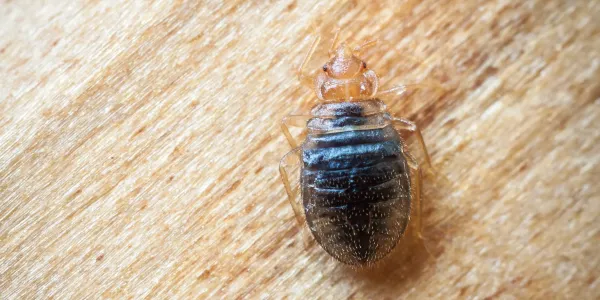
Bat Bugs vs. Bed Bugs: Why Knowing the Difference Matters
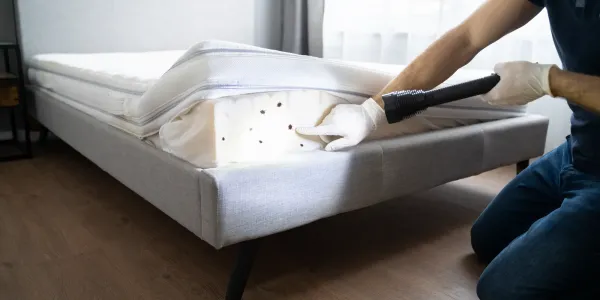
When you find tiny bugs hiding in your home, it’s easy to assume the worst—bed bugs. But here in Des Moines and across Central Iowa, there’s another culprit that often gets mistaken for them: bat bugs!
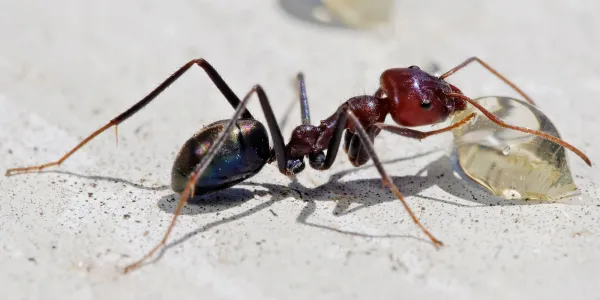
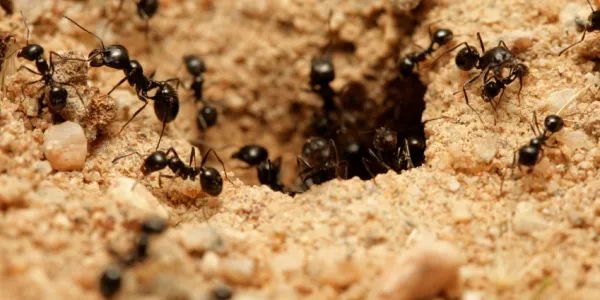
Springtime is a welcome reprise from Iowa’s winter chill, but for many property owners, it also marks the start of an annual battle with a surprisingly common pest—ants!
Peak Months for Pests in Des Moines & Iowa: What to Watch For Year-Round
Living in Iowa means getting a front-row seat to all four seasons—and unfortunately, so do the pests. From freezing winters to humid summers, each shift in weather brings a new lineup of unwelcome guests trying to invade your space.