
Termites in Des Moines: What Every Homeowner Needs to Know
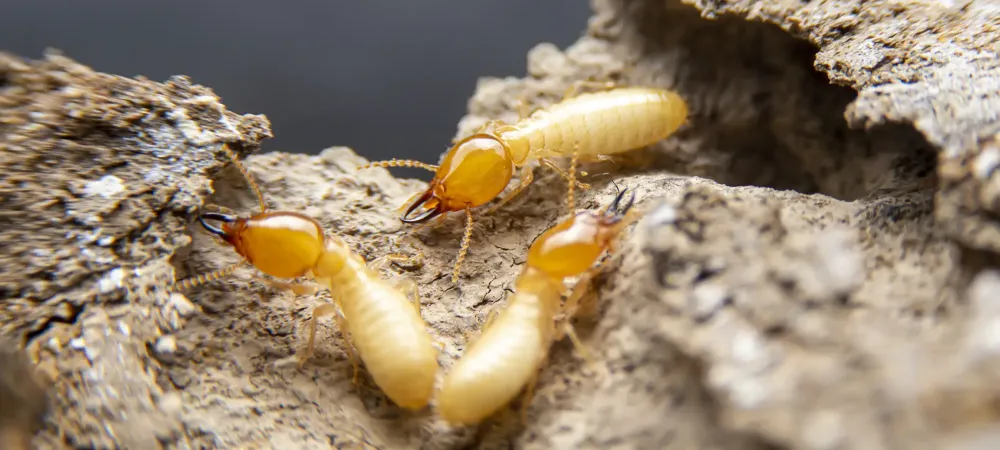
Termites are not just a southern pest. They can be a problem for homeowners in Des Moines and throughout Iowa, especially when moisture, wood, and easy access points are present around the home.
The biggest issue with termites is that they often stay hidden while feeding on wood and other cellulose materials. By the time obvious damage appears, activity may have been going on for some time. Knowing what to look for can help homeowners catch warning signs earlier.
Are Termites Common In Des Moines?
Termites can be found in Iowa, including the Des Moines area. The primary concern for homeowners is usually subterranean termites, which live in the soil and move into structures from the ground up.
These termites often enter through cracks, foundation gaps, mud tubes, or areas where wood touches soil. Because they avoid open air and light, they may stay hidden in walls, floors, crawl spaces, and basement framing.
Des Moines homeowners should know that termites:
- Are not limited to warmer southern states
- Often live underground or inside wood
- Feed on wood, paper, cardboard, and other cellulose materials
- Are more likely around moisture-prone areas
- Can cause damage before live termites are ever seen
What Types Of Termites Are Found In Des Moines?
Subterranean termites are the main termite concern in Des Moines. They rely on moisture and soil contact, which is why foundations, crawl spaces, basement areas, porch supports, and wood near the ground are common risk areas.
These termites build mud tubes to travel between the soil and a food source. The tubes help protect them from dry air while they move into the structure.
Subterranean termites are often difficult to spot because they hide in:
- Wall voids
- Flooring and subflooring
- Crawl spaces
- Basement framing
- Foundation cracks
- Wood that touches soil
Signs Of Termites In A Des Moines Home
Termite warning signs can be subtle. Some damage may look like water damage, aging wood, or normal wear around trim and flooring. Basements, crawl spaces, and areas near the foundation are especially important to check.
Common signs of termite activity include:
- Mud tubes along foundation walls, basement walls, or crawl spaces
- Discarded wings near windows, doors, or light fixtures
- Wood that sounds hollow when tapped
- Bubbling paint or warped trim
- Soft, blistered, or damaged wood
- Doors or windows that suddenly become harder to open
- Visible swarmers indoors or near the foundation
Mud tubes are one of the clearest signs of subterranean termite activity. They often look like narrow lines of dirt along concrete, wood, or foundation surfaces.
When Are Termites Most Active In Des Moines?
Termites can remain active whenever conditions are suitable, especially in protected areas with moisture and warmth. However, spring is often when homeowners are most likely to notice swarmers.
Swarmers are reproductive termites that leave a mature colony to start new colonies. They may appear near windows, doors, light fixtures, or other bright areas indoors.
Seasonal termite patterns may include:
- Spring swarms from mature colonies
- More visible activity after warm, damp weather
- Increased risk near moist soil and foundation areas
- Hidden activity continuing indoors when conditions allow
- Signs appearing during repairs, renovations, or routine maintenance
Seeing swarmers indoors can point to an established termite issue nearby, not just a random outdoor insect sighting.
What Attracts Termites To Homes?
Termites are drawn to moisture, wood, and easy access to the structure. Homes with poor drainage, damp crawl spaces, or wood-to-soil contact may be more vulnerable.
Common termite risk factors include:
- Wood touching soil around the home
- Mulch piled too high against the foundation
- Firewood stacked close to exterior walls
- Leaky pipes or moisture under sinks
- Clogged gutters or poor drainage
- Downspouts draining too close to the foundation
- Damp basements or crawl spaces
- Cracks or gaps around the foundation
Reducing moisture around the home is one of the most important ways to lower termite risk.
Termites Vs. Carpenter Ants
Termites and carpenter ants are often confused because both can be connected to wood damage. The difference is that termites eat wood, while carpenter ants tunnel through wood to create nesting galleries.
Key differences include:
- Termites may create mud tubes, while carpenter ants may leave sawdust-like debris
- Termites have straight antennae, while carpenter ants have bent antennae
- Termite swarmers have equal-length wings, while carpenter ants have uneven wing pairs
- Termite-damaged wood may look layered or muddy inside
- Carpenter ant galleries are usually smoother and cleaner
Correct identification matters because the source of the problem and the next steps are different.
How To Help Prevent Termites In Des Moines
Termite prevention starts with reducing moisture and limiting wood contact around the structure. While no step can guarantee termites will never appear, regular maintenance can make the home less attractive and help warning signs stand out sooner.
Helpful termite prevention tips include:
- Keep firewood, lumber, and wooden debris away from the home
- Avoid direct wood-to-soil contact
- Keep mulch pulled back from siding and foundation areas
- Repair plumbing leaks quickly
- Make sure gutters and downspouts move water away from the foundation
- Improve ventilation in damp crawl spaces or basements
- Watch for mud tubes, swarmers, and soft wood during routine maintenance
It also helps to check porch posts, basement framing, crawl space supports, and wood near exterior doors.
What To Do If You Think You Have Termites
If you notice possible termite signs, avoid disturbing mud tubes or damaged areas before they can be identified. Breaking open tubes or removing damaged wood may make it harder to understand where termites are active.
Helpful next steps include:
- Take photos of visible insects, wings, mud tubes, or damage
- Check nearby areas for moisture issues
- Look for additional signs near the foundation or crawl space
- Avoid assuming damage is old without confirmation
- Keep notes on when and where activity was found
Termites in Des Moines can stay hidden while damaging wood behind walls, under floors, and near foundations. Mud tubes, swarmers, soft wood, and moisture problems should not be ignored because early identification can make the issue easier to understand and address. If you've noticed some of the above signs on your property, contact our team today for expert termite control services.