
Rodent Prevention Tips
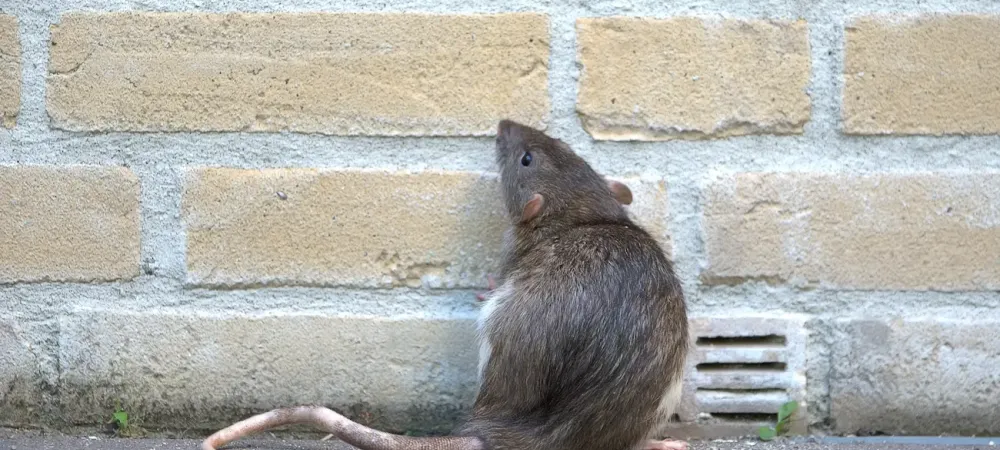
Rodents can become a problem quickly once they find easy access to food, shelter, and nesting materials. Mice and rats can squeeze through small openings, chew through materials, and nest in quiet spaces like attics, basements, garages, crawl spaces, and wall voids.
The best way to prevent a larger infestation is to make your home harder to enter and less appealing once rodents get close. That starts with sealing entry points, limiting food access, and reducing places where rodents can hide.
Seal Small Entry Points Around Your Home
Rodents do not need much space to get inside. Mice can squeeze through very small gaps, while rats often use larger cracks, vents, and openings around the exterior. A careful inspection around the outside of the home is one of the most important prevention steps.
Pay close attention to areas where different materials meet, such as siding, foundation walls, rooflines, and utility openings. Gaps around doors, garage doors, vents, pipes, and wires can all create access points.
Common entry areas include:
- Gaps around exterior doors and garage doors
- Cracks in the foundation
- Openings around pipes, wires, and utility lines
- Damaged vent covers or screens
- Spaces around siding, soffits, and rooflines
Avoid relying on spray foam alone for rodent exclusion. Rodents can chew through softer materials, so stronger repairs may be needed depending on the size and location of the opening.
Store Food Properly
Food access is one of the main reasons rodents stay inside a home. Even small crumbs, open pantry items, pet food, or spilled seed can support activity. Kitchens and pantries are obvious problem areas, but garages and storage rooms can also attract rodents if food is stored there.
Use sealed containers for pantry goods, pet food, birdseed, grass seed, and animal feed. Clean up crumbs and spills quickly, especially in lower cabinets, drawers, and corners where food debris can collect unnoticed.
A few simple habits can make a difference:
- Keep pantry items in sealed containers
- Avoid leaving pet food out overnight
- Clean crumbs from floors, counters, cabinets, and drawers
- Store birdseed and animal feed in sealed bins
- Check food packaging for gnaw marks or damage
A clean kitchen alone may not prevent rodents, but limiting easy food access makes your home less attractive.
Manage Outdoor Food Sources
Rodent prevention should start outside. Trash cans, compost piles, fallen fruit, outdoor grills, gardens, and pet feeding areas can bring rodents close to the home. Once they are nearby, they may begin searching for a way inside.
Trash should be kept in bins with tight-fitting lids, and outdoor garbage areas should be cleaned when residue builds up. If you have fruit trees, gardens, or compost, keep those areas maintained so rodents do not have a steady food source near the house.
Outdoor food sources to monitor include:
- Trash cans and garbage storage areas
- Compost piles
- Fallen fruit, nuts, or garden produce
- Grills and outdoor dining areas
- Pet bowls left outside
- Bird feeders and spilled seed
Reducing outdoor attractants helps lower rodent pressure around the home before it turns into an indoor problem.
Reduce Hiding And Nesting Areas
Rodents prefer areas where they can move, hide, and nest without being disturbed. Overgrown shrubs, tall grass, leaf piles, stacked firewood, and cluttered storage areas can all give mice and rats the cover they need.
Keep landscaping trimmed back from the home when possible, especially around the foundation, vents, and exterior doors. Firewood, lumber, and outdoor storage should be kept away from exterior walls. Inside garages, basements, and sheds, avoid letting cardboard boxes and clutter pile up for long periods.
This is especially important in quieter spaces like:
- Garages
- Basements
- Crawl spaces
- Sheds
- Attics
- Storage rooms
Plastic storage bins are usually a better choice than cardboard because rodents can chew through cardboard and use it for nesting material.
Watch For Early Signs Of Rodent Activity
Rodents are often active at night, so you may not see them right away. However, they usually leave evidence behind. Catching those signs early can help prevent a small issue from becoming a larger infestation.
Look for droppings in cabinets, drawers, garages, pantries, and storage areas. You may also hear scratching or scurrying sounds in walls, ceilings, or crawl spaces. Gnaw marks on packaging, wood, wires, or insulation can also point to rodent activity.
Other warning signs include:
- Greasy rub marks along walls or baseboards
- Nests made from shredded paper, fabric, or insulation
- Chewed food packaging
- Unusual pet behavior near walls, appliances, or cabinets
Even one sign of activity should be taken seriously. Mice and rats reproduce quickly, and hidden nesting areas can make the issue harder to control over time.
Avoid Common Rodent Prevention Mistakes
Many homeowners start with traps, but trapping alone does not solve the reason rodents are getting inside. If entry points remain open and food sources are still available, new rodents can continue entering the home.
Common mistakes include:
- Setting traps without sealing entry points
- Ignoring outdoor food sources
- Leaving pet food or birdseed accessible
- Using weak materials to block holes
- Assuming one trapped mouse means the problem is gone
Long-term prevention works best when access points, food sources, and nesting areas are addressed together.
When To Call A Professional
Some rodent problems are difficult to solve without a full inspection. If you keep seeing droppings, hearing noises, or finding gnaw marks after taking basic prevention steps, there may be hidden entry points or nesting areas that are being missed.
Professional help may be needed if:
- Activity continues after cleanup and sealing efforts
- You hear noises in walls or ceilings
- Droppings appear in multiple areas
- Entry points are difficult to find
- Rodents are nesting in hidden spaces
A professional inspection can help identify whether the issue involves mice or rats, where they are entering, and what conditions are supporting the activity.