
Common Fall Pests in Idaho
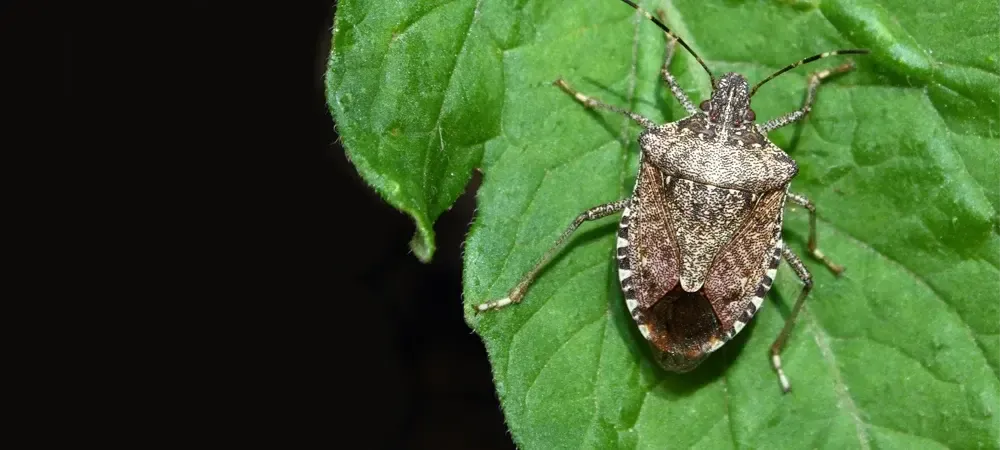
Fall in Idaho brings cooler evenings, changing leaves, and a noticeable shift in pest activity. As outdoor conditions become less favorable, many pests start looking for warm, protected places to spend the colder months. For homeowners, that often means more activity around doors, windows, garages, basements, crawl spaces, and attics.
Some pests are simply a nuisance, while others can cause damage, contaminate food, or create health concerns. Knowing which pests are common in the fall can help you recognize activity early and understand why they may be showing up around your home.
Why Pest Problems Increase In The Fall
Pests do not disappear when temperatures drop. Many simply change where they spend their time. As food becomes harder to find outdoors and overnight temperatures cool down, homes can become more attractive.
Fall pest activity often increases because pests are looking for:
- Warmth inside walls, attics, crawl spaces, and basements
- Food sources from crumbs, pet food, trash, or stored pantry items
- Shelter in quiet, protected areas
- Small gaps around doors, windows, vents, siding, and utility lines
This is why pest sightings may increase even if the home has not had major issues earlier in the year.
Mice And Rats
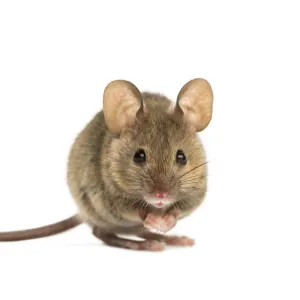
Rodents are one of the biggest fall pest concerns in Idaho. Mice and rats look for warm nesting areas as temperatures drop, and they can squeeze through surprisingly small openings around the exterior of a home.
Once inside, rodents may nest in wall voids, garages, basements, attics, crawl spaces, kitchens, or storage areas. They can chew on wires, insulation, cardboard, food packaging, and other materials.
Common signs of rodent activity include:
- Droppings in cabinets, drawers, garages, or pantries
- Scratching or scurrying sounds in walls or ceilings
- Gnaw marks on food packaging, wood, or wiring
- Shredded paper, fabric, or insulation used for nesting
- Unusual pet behavior near appliances, walls, or cabinets
Rodent prevention depends heavily on sealing entry points and removing easy food sources before activity grows.
Spiders
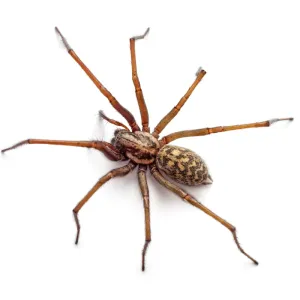
Spiders are often more noticeable in the fall, even though many have been present around the home all season. By autumn, some spiders are larger, more active, and easier to spot indoors. They may also follow insect prey into garages, basements, window wells, and storage areas.
Common places to find spiders include:
- Garages and sheds
- Basements and crawl spaces
- Window wells
- Storage boxes
- Corners and ceiling edges
- Around exterior lights where insects gather
Most spiders prefer to avoid people and are more interested in hunting other insects. Still, frequent sightings may point to other pest activity nearby.
Boxelder Bugs
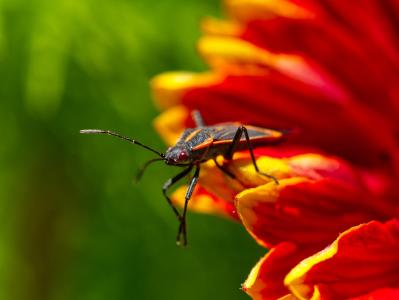
Boxelder bugs are common fall nuisance pests in Idaho. They often gather on sunny exterior walls, especially on the warm side of a home, before slipping into cracks and gaps to overwinter.
These insects do not typically cause major structural damage, but they can become annoying when they gather in large numbers or appear indoors during warmer winter days.
Boxelder bugs are often found around:
- Sunny siding
- Window and door frames
- Attic spaces
- Wall voids
- Cracks around trim or exterior gaps
Sealing gaps before fall activity peaks can help reduce how many find their way inside.
Stink Bugs
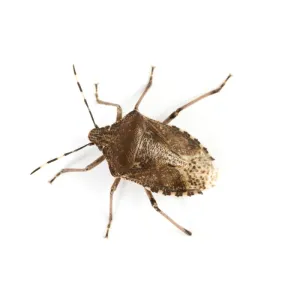
Stink bugs are another fall pest that may try to move indoors for the winter. Like boxelder bugs, they look for protected spaces where they can remain inactive until warmer weather returns.
The main issue with stink bugs is their odor. When crushed or disturbed, they can release a strong smell, which makes removal frustrating.
Stink bug prevention tips include:
- Repair damaged window screens
- Seal gaps around doors and windows
- Check attic vents and exterior openings
- Use door sweeps where gaps are visible
- Vacuum indoor stink bugs carefully instead of crushing them
They are usually more of a nuisance pest than a serious threat, but large numbers can be difficult to manage once they are inside.
Wasps And Yellowjackets
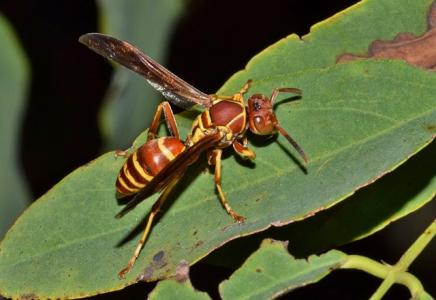
Wasps and yellowjackets can become more noticeable and more defensive in the fall. By this point in the season, colonies are often larger, and food sources begin to change. Yellowjackets, in particular, may become more attracted to sugary drinks, fruit, outdoor meals, and trash.
Fall wasp activity is common around:
- Eaves and rooflines
- Decks and sheds
- Shrubs and landscaping
- Wall voids
- Underground nest openings
- Outdoor garbage areas
The biggest concern is disturbing a hidden nest. Yellowjackets may nest underground or inside wall voids, making them harder to spot until people or pets get too close.
Ants
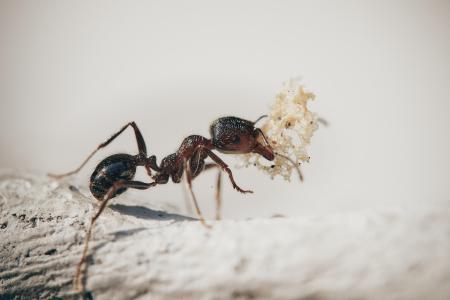
Ants may also become active indoors during the fall while searching for food, moisture, or shelter. Kitchens, bathrooms, basements, and laundry rooms are common areas where homeowners may notice trails.
Signs of ant activity include:
- Trails along counters, floors, or baseboards
- Ants near sinks, plumbing, or moisture-prone areas
- Activity around pet food or pantry items
- Small piles of debris near cracks or gaps
Keeping food sealed, cleaning up spills, and reducing moisture can help make indoor spaces less attractive to ants.
Cluster Flies And Other Occasional Invaders
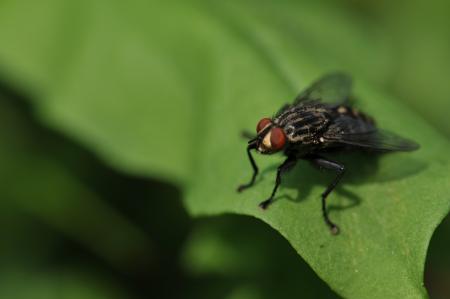
Some fall pests enter homes accidentally or while searching for overwintering spots. Cluster flies, beetles, and similar occasional invaders may appear around windows, upper floors, attics, or light fixtures.
These pests are usually not breeding indoors, but they can be frustrating when they show up repeatedly.
Homeowners may notice them around:
- Windows and window sills
- Attics
- Upper floors
- Light fixtures
- Warm interior walls
The best prevention step is sealing exterior gaps before they move inside.
How To Help Prevent Fall Pests
Fall pest prevention works best before pests settle indoors. The goal is to reduce access, remove attractants, and limit hiding places around the home.
Helpful prevention steps include:
- Seal gaps around doors, windows, vents, siding, and utility lines
- Replace worn door sweeps and weatherstripping
- Repair damaged screens
- Keep firewood away from the home
- Store food, pet food, and birdseed in sealed containers
- Clean up crumbs, spills, trash, and outdoor food sources
- Trim shrubs and vegetation back from the foundation
- Reduce clutter in garages, basements, crawl spaces, and storage areas
Small repairs and cleanup tasks can make a noticeable difference before cooler weather pushes pests closer to the home.