By Brad Janssen

Summer in Iowa is a season of vibrant growth and outdoor activities. Unfortunately, the changing season also marks a time when pests thrive in abundance. As temperatures climb and the landscape becomes lush, pests emerge from their dormant state, seeking food, shelter, and mates. In larger cities like Des Moines, this is when people tend to call in for professional pest control

Summer is the peak season for many pests in Iowa due to several environmental factors. Understanding why these pests are more active during this season is key to effective pest management. Dive in with Janssen Pest Solutions to discover the reasons why summer is the height of pest season in Iowa and learn how you can protect your home!


Key Takeaways

  • Warm Weather Breeds More Pests: Summer temperatures accelerate the reproduction cycles of pests, leading to faster infestations.
  • Humidity and Rain Fuel Growth: Stagnant water and high humidity levels create prime conditions for mosquitoes, termites, and other pests.
  • Plentiful Food Sources: With abundant food and water sources available, pests like ants, rodents, and flies are drawn to homes. This makes pest control especially important in larger cities like Des Moines
  • Increased Human Activity: Summer activities such as outdoor gatherings or gardening provide easy targets for pests seeking food and shelter.
  • Longer Days Mean More Pest Activity: The extended daylight hours allow pests to be active for longer periods, increasing their chances of entering your home.
  • Climate Change Extends Pest Seasons: Warmer temperatures push the peak pest season further into the year, making infestations last longer.

A kitchen with large open windows overlooks a green landscape. Fruits like apples, kiwi, strawberries, and blueberries are on a cutting board, with a jar of honey nearby. Ants and a flying insect are attracted to a honey spill on the counter.

1. Warm Weather Accelerates Pest Reproduction

As the temperature rises, so does the activity level of many pests. The warmth of summer accelerates the reproduction cycle of several pest species, leading to rapid population growth. A small infestation can quickly turn into a full-scale problem.

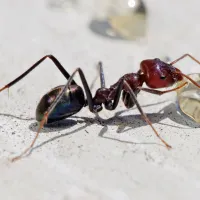
  • Examples: Mosquitoes and flies breed in standing water, while ants and cockroaches become more active in search of food and shelter.
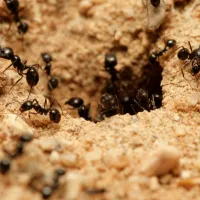
  • Impact: Without intervention, pests like ants can establish entire colonies inside your home, while mosquitoes can multiply quickly in your yard, turning a small problem into a nuisance that can last for months.

2. Summer Rain and Humidity Fuel Pest Activity

Summer showers bring more than just refreshing rain—they create perfect breeding conditions for pests. Humid environments and standing water are key factors that contribute to pest activity during this time of year.

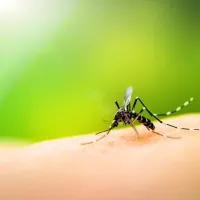
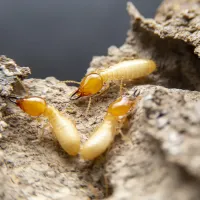
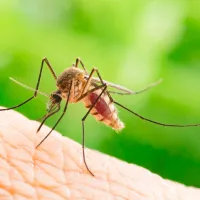
  • Examples: Mosquitoes need stagnant water to lay eggs. Similarly, termites thrive in damp conditions, and excess moisture can attract pests like ants and cockroaches.
  • Impact: The high humidity and frequent rain make summer the prime time for pests to flourish. Piles of leaves, clogged gutters, and damp soil can all become breeding grounds for pests like termites, ants, and mosquitoes.

3. Food and Water Sources Are Plentiful

With the warmer weather comes an abundance of food and water sources, which can attract pests to your home. Whether it’s the fruit ripening on trees or the easy access to food scraps at a summer BBQ, pests are always looking for their next meal.

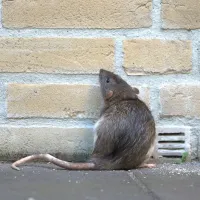
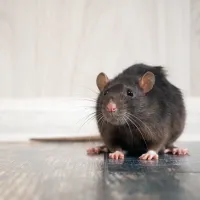
  • Examples: Ants are notorious for foraging for sugary food, while rodents like mice and rats are drawn to open food containers or trash cans.
  • Impact: Pests like ants and rodents are often found inside homes during summer because they have an easier time finding food. Additionally, exposed trash or pet food left outside can attract pests like flies, ants, and even wasps.

4. Seasonal Changes in Pest Behavior

In summer, many pests shift their behavior to take advantage of the warm weather. This change often leads to more aggressive and widespread activity.

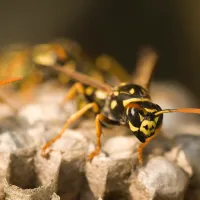
  • Examples: Wasps, hornets, and bees become particularly aggressive during summer as they protect their nests and search for food.
  • Impact: During summer, outdoor activities like gardening or BBQs are prime opportunities for encounters with wasps and hornets, which may sting when threatened. These pests can be a serious nuisance and even pose health risks to individuals with allergies.

5. Longer Days Provide More Activity Time

Summer days are long, giving pests more time to search for food, mates, and breeding grounds. The extended daylight hours allow pests to remain active for longer periods, increasing the likelihood of infestations.

  • Examples: Mice and other rodents, who are typically nocturnal, take advantage of the extended daylight to forage and nest during earlier and later hours.
  • Impact: This increased activity means that homeowners are more likely to encounter pests during the day. Whether it’s an infestation of ants in the kitchen or a swarm of mosquitoes in the yard, the added time of activity increases the chances of pest problems.

6. Increased Human Activity Attracts Pests

Summer is the season for outdoor fun, but it’s also a time when human activity attracts pests. Outdoor events like cookouts, picnics, and gardening provide easy access to food and moisture, which pests are quick to discover.

  • Examples: Ants and flies are attracted to food spills, while wasps and hornets tend to hover around outdoor gatherings in search of sugary drinks or fruit.
  • Impact: The more time spent outdoors, the more likely it is that pests will appear. Even a small spill can invite ants or flies to your home. Additionally, sitting outdoors with food or drinks makes you an easy target for wasps, bees, and mosquitoes.

7. Pest Habitats Are More Accessible

The warm, dry weather of summer allows pests to build or access shelter more quickly. Many pests that thrive in homes, such as termites and rodents, are more likely to seek shelter indoors during the summer months.

  • Examples: Carpenter ants and termites begin damaging wood structures as they search for food and nesting sites. Rodents may enter attics or basements to escape the heat and seek shelter.
  • Impact: If pests like termites or ants are allowed to build nests in your home, they can cause significant damage to your property. Likewise, rodents may chew on wires or insulation, causing additional harm.

8. Climate Change is Extending Pest Seasons

Rising temperatures and changing weather patterns are having a noticeable effect on pest activity. Climate change is making summers longer and warmer, which means that many pests are becoming active earlier and staying active longer than in previous years.

  • Examples: Ticks, mosquitoes, and other pests are expanding their range into areas that were once too cold for them to thrive.
  • Impact: The shift in climate not only extends the traditional peak season but also makes some pests more resilient. This can increase the overall pest population, making summer infestations more severe and longer-lasting.

Conclusion

Summer in Iowa is a season that brings vibrant growth and fun outdoor activities, but it also marks the peak season for pest activity. The combination of warm weather, humidity, and abundant food sources creates the ideal environment for a wide range of pests, from mosquitoes and flies to ants and rodents.

By understanding why summer is such a busy season for pests, homeowners can take proactive steps to prevent infestations before they begin. Whether it’s sealing entry points, managing food waste, or using professional pest control services, staying vigilant during the summer months can help keep your home pest-free.

If you’re dealing with a pest problem this summer or want to prevent future infestations, contact us and schedule a free consultation. We’re experts in Des Moines pest control, and are always happy to help. Remember that early intervention is key to avoiding long-term issues and ensuring a comfortable, pest-free home.


FAQ: Common Questions About Summer Pests in Iowa

1. Why do pests become more active in summer?

The warmer temperatures and increased humidity during summer create optimal breeding conditions for pests. Additionally, longer daylight hours give pests more time to forage for food, making them more likely to enter homes in search of shelter.

2. How can I prevent mosquitoes in my yard?

Eliminate standing water around your property, such as in bird baths, clogged gutters, or plant saucers. Using mosquito-repelling plants like citronella, marigolds, or lavender can also help deter mosquitoes. If needed, professional pest control services can apply treatments for mosquitoes.

3. Are ants a bigger problem in summer?

Yes, ants are more active in the spring and summer because they are foraging for food and water. They are especially drawn to sugary substances. Keeping food sealed and cleaning up crumbs and spills promptly can help prevent infestations.

4. How do I keep rodents out of my home during the summer?

Seal any gaps or holes in doors, windows, or the foundation to prevent rodents from entering. Keep outdoor trash bins tightly sealed, and store food in airtight containers. Regularly check for signs of rodent activity, such as droppings or gnaw marks.

5. What pests should I be most concerned about during Iowa summers?

The most common pests in Iowa during summer include mosquitoes, ants, flies, wasps, hornets, termites, and rodents. These pests are drawn to the warmth and abundant food and water sources found in homes and yards.