By Brad Janssen

By: Janssen Pest Experts

Key Takeaways:

  • Understand the top 5 summer pests causing problems in Urbandale—what attracts them, why they matter, and how to stop them.
  • Get prevention strategies you can do today to protect your home and family.
  • Know exactly when DIY ends and professional help is needed—with expert advice from Iowa’s trusted local professionals.
  • Learn which pests pose real health or property risks (and which are just a nuisance).
  • Explore local and national resources to help you take action with confidence.

Welcome to Pest Season in Urbandale

Iowa summers are filled with everything we love—long days, warm evenings, backyard grilling, and family time. But there’s a downside homeowners in Urbandale know all too well: pests. With the rise in temperature and humidity, everything from ants to mosquitoes is making a strong seasonal comeback.

At Janssen Pest Control, we’ve seen firsthand how quickly a minor pest issue can escalate into a full-blown infestation. With hundreds of five-star reviews and deep roots in the Des Moines metro, we know exactly what homeowners in Urbandale are facing—and how to fix it. This guide breaks down the top five pests we’re treating right now, why they’re targeting your home, and how to keep them out for good. Did you know the average single family home yard of 10,000 sq feet typically harbors 1 million + insects and exterior pest reductions are beneficial for interior pest elimination. Well let’s dig in.


1. Ants: The Kitchen Invaders

Why They’re a Problem

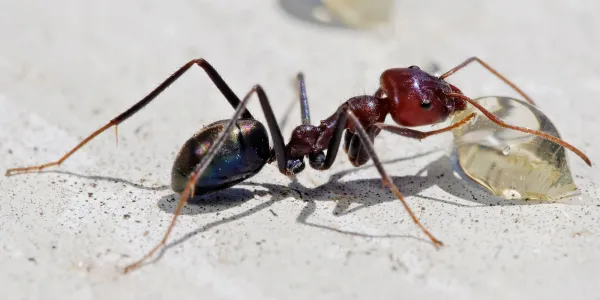
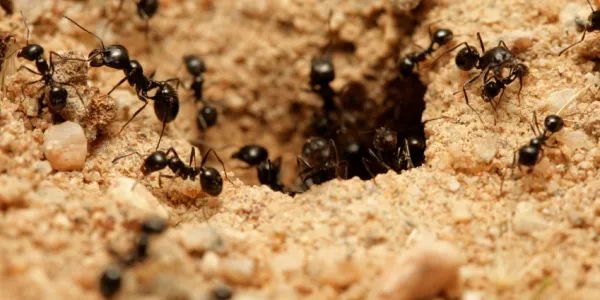
During the summer, ants multiply quickly and are relentless in their search for food and water. If you’ve spotted even a single line of ants marching through your kitchen or along your baseboards, chances are high that a larger colony isn’t far behind. And while most nuisance ants are just annoying, particular species like carpenter ants can actually cause structural damage by hollowing out wood in your walls or floors.

What Attracts Them

  • Food Residue: Sugary spills, crumbs, or even fruit left on the counter are powerful ant magnets.
  • Water Sources: Leaky faucets, damp dishcloths, and pet water bowls are appealing in hot weather.
  • Entry Points: Gaps in window frames, baseboards, and foundation cracks allow them easy access.

How to Prevent an Infestation

  • Clean Often & Thoroughly: Wipe down counters daily, especially after meals. Use vinegar and water (a natural ant deterrent) to neutralize scent trails.
  • Seal Food Tightly: Store snacks, cereals, and even pet food in sealed containers.
  • Fix Moisture Issues: Tighten dripping faucets and promptly clean up standing water.
  • Block Access Points: Use caulk to seal up tiny cracks and crevices where ants may be entering.

When to Call Janssen

If ants keep coming back even after you’ve cleaned and sealed your home, or if you’re noticing large, winged ants or sawdust-like shavings (a sign of carpenter ants), it’s time to call in our team. DIY treatments only go so far—especially when colonies are hidden in walls, beneath flooring, or outside in landscaping.

As local pros, we know exactly how to identify the species, locate the colony, and deploy treatment methods that are safe for your family and pets—but deadly effective against ants.

More Information

Want to learn more about ant behavior and prevention? PestWorld.org’s science-backed overview of ant species, seasonal patterns, and professional solutions is a helpful resource.

2. Wasps: The Backyard Bullies

Why They’re a Problem

Wasps aren’t just a nuisance—they’re a safety risk. During the summer, wasp colonies reach their peak population, and their aggression increases right alongside it. In Urbandale, we see an uptick in calls during July and August, when nests are well established and wasps begin defending their territory more fiercely.

Whether it’s paper wasps under your eaves or yellow jackets inside wall voids, these pests don’t just sting—they swarm. And unlike bees, a single wasp can sting multiple times, which poses a serious concern for families with children, pets, or anyone allergic to insect venom.

What Attracts Them

  • Sweet Foods and Drinks: Wasps are drawn to sugar—spilled soda, ripe fruit, and even juice boxes left outside can lure them in.
  • Food Waste and Garbage: Open trash cans, recycling bins, or compost piles create perfect feeding grounds.
  • Old Nesting Sites: Wasps often return to previous nesting areas, especially around soffits, gutters, and siding.

How to Prevent an Infestation

  • Seal Your Trash: Keep garbage and recycling bins tightly closed and clean them regularly.
  • Minimize Outdoor Food Exposure: Cover food and drinks during outdoor meals and clean up spills quickly.
  • Inspect Your Home’s Exterior: Check regularly for early signs of nest building, such as under decks, around light fixtures, or in attic vents.

When to Call Janssen

DIY wasp control can be dangerous, especially if you’re dealing with a large nest or an aggressive species. If you notice high wasp traffic around your home—or worse, see a nest forming near entryways, playground equipment, or seating areas—call us immediately. Our technicians are trained to handle wasp removal quickly, safely, and thoroughly.

Don’t risk a sting (or several). Let our professionals handle it while you enjoy your yard worry-free.

Honey Bee

More Information

For additional tips on outdoor safety and sting prevention, visit the CDC’s official guidance on insect stings.

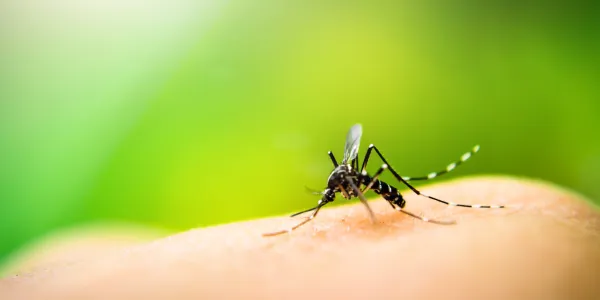
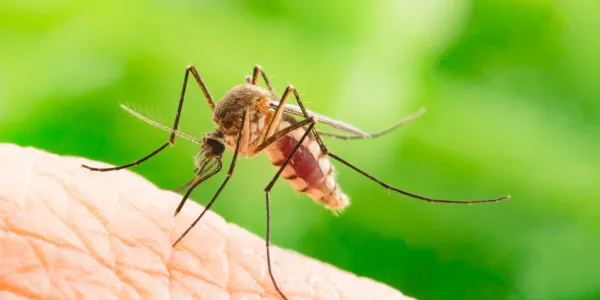
3. Mosquitoes: The Bite You Didn’t Invite

Why They’re a Problem

Mosquitoes are more than just an itchy annoyance—they’re public health threats. In the Urbandale area, warm, humid summer conditions create the perfect storm for mosquito breeding. Add in frequent watering of lawns, standing water in planters or birdbaths, and shaded outdoor spaces, and you’ve got a mosquito magnet.

These pests are especially active at dawn and dusk; even a single small breeding site can support hundreds of mosquitoes. Aside from ruining a relaxing evening outside, mosquitoes can transmit dangerous viruses such as West Nile, which has been detected in Iowa in past summers.

What Attracts Them

  • Standing Water: Birdbaths, clogged gutters, kiddie pools, and planter saucers can all host mosquito larvae.
  • Tall Grass and Shaded Areas: Mosquitoes rest in cool, humid zones during the day.
  • Human Activity: Mosquitoes are drawn to carbon dioxide, body heat, and sweat, especially after outdoor activity.

How to Prevent an Infestation

  • Eliminate Standing Water: Empty and scrub containers on a weekly basis. Don’t forget gutters, flowerpots, and toys.
  • Maintain Your Lawn: Trim tall grass and shrubs to reduce mosquito resting spots.
  • Create Air Movement: Use outdoor fans in patios or decks—mosquitoes are weak fliers and avoid breezy areas.
  • Consider Mosquito-Repelling Plants: Citronella, lavender, and marigolds can provide modest deterrence when placed strategically.
A person wearing protective gloves, a long-sleeved shirt, and sunglasses is using a backpack sprayer to apply weed killer or pesticide around a tree and garden bed in a residential yard. The sun is shining, and a house is visible in the background, exemplifying comprehensive pest control measures by Janssen Pest in Des Moines.

When to Call Janssen

If you’ve taken all the usual precautions and are still swatting mosquitoes left and right, you may have a larger breeding zone nearby. Our mosquito control treatments target both adult mosquitoes and their breeding grounds, breaking the cycle before it starts.

We apply EPA-approved, family-safe barrier treatments that significantly reduce mosquito populations, keeping your outdoor spaces livable all summer long.

More Information

To learn more about preventing mosquito bites and controlling breeding around your home, visit the CDC’s mosquito control resource.

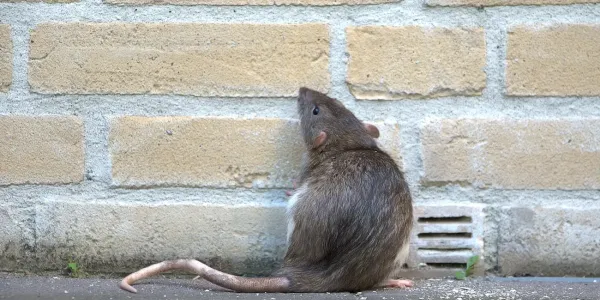
4. Mice: The Sneaky Summer Guest

Why they’re a problem:
Although more active in colder months, mice often enter homes during summer due to nearby construction or dry conditions that displace them. Once inside, they multiply quickly and can cause damage and contamination.

What attracts them:

  • Open food containers and pet food
  • Cluttered garages and basements
  • Gaps under doors or around utility lines

How to prevent:

  • Store food in sealed containers
  • Clear clutter and block entry points
  • Use steel wool to seal small holes

When to call Janssen:
If you see droppings, gnaw marks, or hear scratching—call immediately. Mice breed fast and can cause extensive damage.

More Information

To learn more about identifying signs of rodent activity and preventing infestations in and around your home, visit the EPA’s rodent control guide.


5. Spiders: The Web Builders

Why They’re a Problem

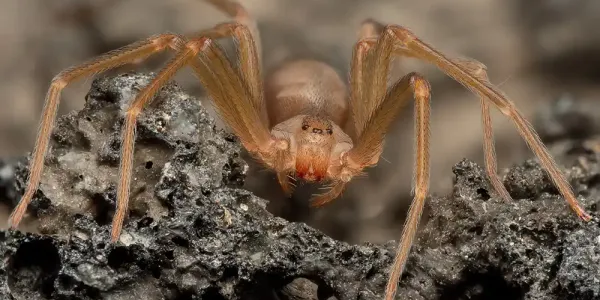
Most spiders are harmless and even helpful in keeping insect populations under control. However, in Urbandale, we also encounter more concerning species, such as brown recluse and black widow spiders, both of which are venomous and occasionally found in residential areas.

Summer heat and dry conditions can drive spiders indoors in search of cooler, undisturbed environments. Once inside, they tend to settle into corners of basements, garages, crawlspaces, or storage areas where they can remain unnoticed until a bite happens—or a web is discovered where it shouldn’t be.

What Attracts Them

  • Insect Prey: Spiders follow food. If your home has ants, flies, or mosquitoes, spiders aren’t far behind.
  • Dark, Quiet Spaces: Garages, attics, crawlspaces, and unused corners provide shelter and stability for web-building.
  • Moisture: Certain species are attracted to damp areas, such as laundry rooms, under sinks, or around HVAC systems.

How to Prevent an Infestation

  • Vacuum Regularly: Especially in corners, under furniture, and along baseboards to remove webs and egg sacs.
  • Control Other Pests: Reducing insects in your home means spiders have less reason to stick around.
  • Seal Entry Points: Install door sweeps and caulk around windows, baseboards, and vents.
  • Use Dehumidifiers: Dry environments are less attractive to many spider species.

When to Call Janssen

If you’re seeing multiple spiders per week—or if you’ve identified a dangerous species—it’s time to contact Janssen Pest. We’ll safely inspect and treat infested areas, identify entry points, and help eliminate the underlying conditions that support spider activity.

Our treatments are family-safe, precise, and designed to prevent return visits from unwanted arachnids.

More Information

For expert educational resources on spider identification and prevention, visit the Integrated Pest Management Institute’s Spider ID Guide.

Local Help & Resources

Need fast, local support from a team that truly understands Urbandale homes?

We’re not a national chain—we live and work here too. Our team knows the specific pest pressures Iowa homeowners face each season and how to treat them safely, effectively, and affordably.

Here’s how you can get help right now:

  • Urbandale Service Area Page – See if your neighborhood is covered and how soon we can be on-site.
  • Not sure what pest you’re dealing with? Snap a photo and email or text it to our team. We’ll help you identify the issue and let you know if it’s something you can handle on your own or if professional treatment is recommended.
  • Educational Resource: Pest Guide from NPMA – Learn more about common pests directly from the National Pest Management Association.

Final Thoughts

From nuisance ants to dangerous wasps and unexpected spider sightings, each summer pest brings its own risks—and its own set of challenges. And while a few ants on the counter might seem like no big deal, ignoring them can lead to bigger, more expensive issues down the road.

At Janssen Pest Solutions, we bring years of hands-on experience, top-tier equipment, and a team of licensed professionals who understand exactly what’s crawling around Urbandale this time of year.

Whether you’re looking to prevent an issue or handle an active infestation, we’re here to help—quickly, safely, and thoroughly.

Need help now?
We offer today or next day service for most neighborhoods in and around Urbandale. Contact us today to schedule your visit or get expert advice.

Want to dive in more check out the CDC and the National Pest Management Association.

FAQ: Summer Pest Control in Urbandale

Q: Are pest problems worse in summer?
A: Yes. Warm weather increases pest activity, accelerates reproduction cycles, and drives insects and rodents indoors in search of food and moisture.


Q: Do I need pest control if I’m not seeing anything yet?
A: Yes, especially in summer. Many pest problems start invisibly (in walls, attics, or outdoors). Proactive treatment can save you time, money, and damage in the long run.


Q: Are over-the-counter pest sprays effective?
A: They may reduce visible activity temporarily, but they rarely address the source. Professional treatment is designed to eliminate the nest, colony, or infestation, not just the symptom.


Q: How fast can Janssen come out?
A: We offer same-week appointments and emergency visits when possible. Most Urbandale clients are seen within a few days of contacting us.


Q: Are your treatments safe for pets and kids?
A: Absolutely. We use EPA-approved solutions that are safe for homes with children and animals. Our team will guide you through any necessary safety steps before and after your treatment.


Q: What’s included in your summer pest control service?
A: Each service includes a thorough inspection, targeted treatment, entry point sealing, and prevention tips tailored to your home. We’ll explain everything and answer any questions before we begin.


Still have questions?
We’re just a message or phone call away. Reach out anytime to speak with a real person who knows your neighborhood—and your pests.