
Boxelder Bugs & Stink Bugs: Fall Invaders and How to Exterminate Them
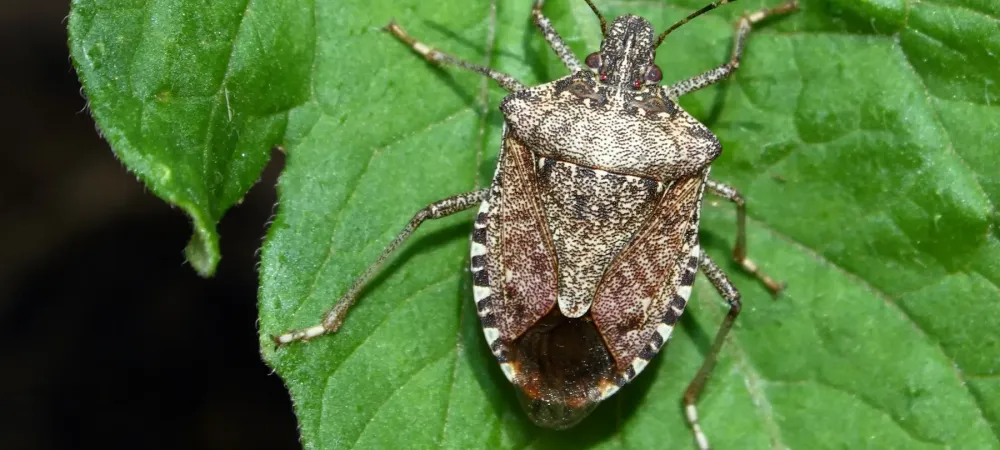
Why they swarm Iowa homes each fall, the timing that actually works, and how to stop repeat invasions without over-spraying.
Key Takeaways
- Boxelder bugs and brown marmorated stink bugs are overwintering pests—they mass on sun-warmed walls in fall, then slip into tiny gaps to wait out winter.
- The winning plan is exterior-first: seal entry points (exclusion) and time targeted treatments while insects are active on the surface.
- Indoors, avoid panic-spraying; vacuum stragglers and spot-treat only at likely entry points.
- Pros add three things DIY often misses: correct timing, void-space access, and structured sealing.
- Unsure where to start? Scan our Services and Pests pages, then book an inspection via Contact.
If your south- or west-facing walls look “alive” on warm fall afternoons, you’re seeing classic overwintering behavior. Boxelder bugs and stink bugs gather on sunlit siding, soffits, and trim, then ride temperature changes into wall voids and attics. The fix isn’t a kitchen-sink aerosol—it’s timing your exterior treatment and closing the slip-points they use to get inside. Here’s how we handle it across the Des Moines metro and when it’s smart to bring in a pro.
1. Quick ID (so you choose the right approach)
- Boxelder bug: black body with red/orange lines; congregates by the hundreds on sunny walls and near maples/boxelders.
- Brown marmorated stink bug: mottled brown “shield,” flies clumsily, releases odor when crushed.
Not sure what you’re seeing? Compare against our Pest Control Services (All Pests) hub. If it’s stinging insects instead, jump to Wasp Control & Nest Removal.
2. Exclusion first: seal the slip-points
Even a perfect treatment won’t last if the house is “open.” Start here:
- Seal soffit/fascia joints, siding laps, and trim seams
- Caulk around utility penetrations (cable, A/C lines)
- Replace door sweeps and repair torn window/vent screens
- Add insect-resistant mesh to attic/gable vents
Hearing scratching or thumps after dusk? Rodents exploit the same gaps. If so, review our Rodent Control approach while you’re up on the ladder.
3. Time exterior treatments for best results
We plan applications when:
- Daytime highs are still warm enough for visible activity on the exterior, and
- Before a long hard freeze, or on warm “bounce-back” days in late fall.
On heavy-pressure homes, we pair a residual perimeter on siding/soffits/trim with void dusting (e.g., behind J-channel). That combo reduces swarms now and cuts down winter “surprise” sightings inside.
4. Indoors: handle stragglers the right way
- Don’t crush stink bugs (odor). Vacuum gently; empty the canister/bag outdoors.
- Spot-treat only at likely entry points (window frames, attic access), not open surfaces.
- Expect temperature burps: warm winter days can nudge hidden bugs into rooms—this isn’t breeding; it’s movement.
If you’ve got toddlers/pets or holiday traffic and need a faster quiet-down, request an interior perimeter + attic/void check via Contact Us.
5. Yard & structure tweaks that help
- Trim shrubs/vines off siding and eaves (they act as bridges).
- Rake leaves and boxelder samaras away from the foundation.
- Store firewood 20+ ft from the house and off the ground.
- Consider removing female boxelder trees close to the home (long-term step, not required).
6. When to call a pro
- Whole elevations are covered on warm afternoons
- You have second-story/steep eaves or attic vent exposure
- DIY helped, but winter sightings persist
- You want structured exclusion and safe void treatments
We cover the wider DSM metro—confirm your city on Service Areas (e.g., Des Moines, Waukee, Grimes), or just book an inspection.
7. How this fits a seasonal plan
Overwintering pests are part of the annual rhythm—like early-spring wasp scouting and summer ant trails. Many homeowners choose a quarterly program so fall lines up with exclusion/treatment and spring aligns with stinging-insect prevention. For a bigger picture, skim Peak Months for Pests in Des Moines.
What You Missed (related reading on our site)
- 10 Common Fall Pests in Iowa and How to Protect Your Home
- What’s the Buzz? The Difference Between Bees and Wasps in Des Moines—And How to Keep Them Away
TL;DR
These pests are annoying, not dangerous—and they’re beatable with a practical plan: seal the gaps, treat at the right time in the right places, and keep indoor responses light and targeted. Do those three things and next fall looks a lot calmer.
Ready to stop fall invaders? Request a targeted fall treatment and an exclusion checklist from the Janssen team: Contact Us
- Explore Services